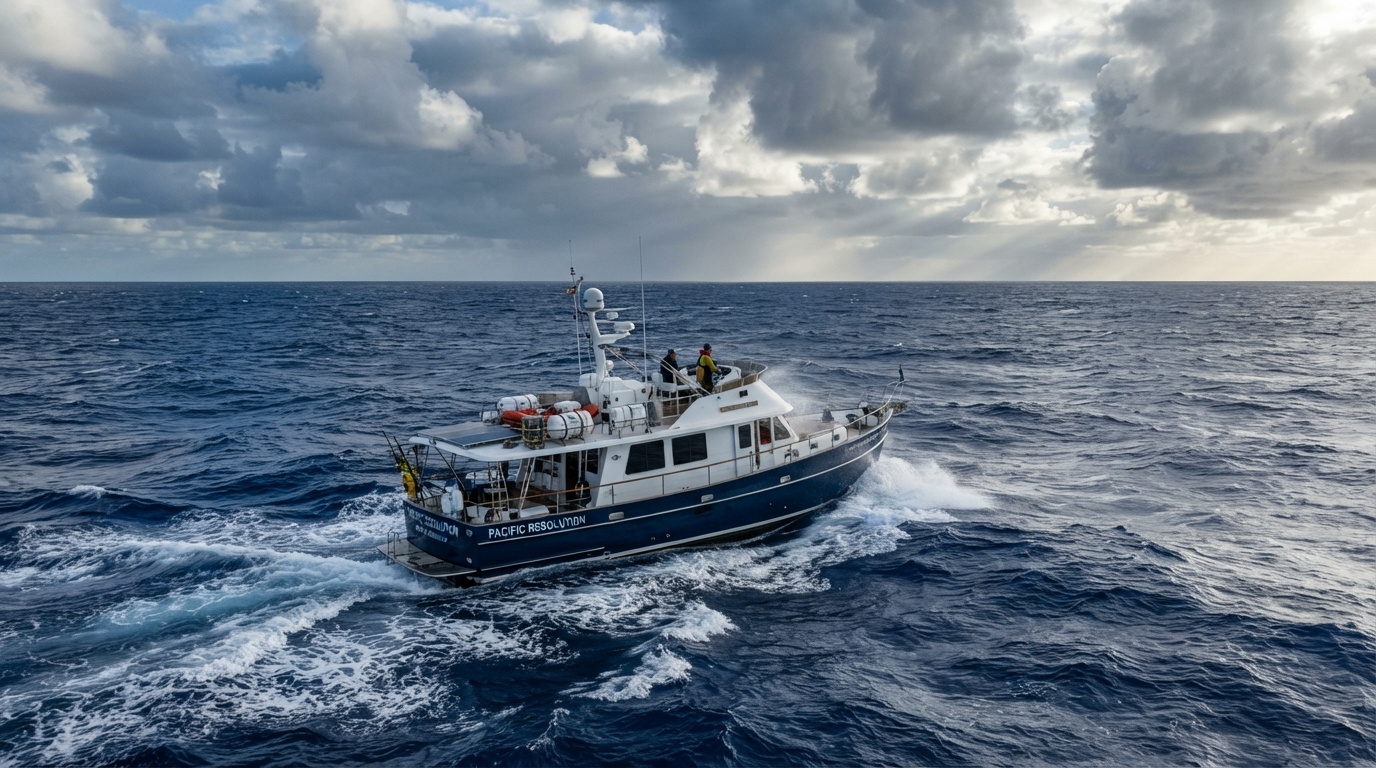
If you own a motor launch — or you're buying one — launch insurance NZ is one of those things worth getting right before you need it. A launch is more than a big boat: it usually carries substantial machinery, generators, electronics and a tender, and it's often kept in a marina berth or on a mooring rather than on a trailer. That complexity means a basic, off-the-shelf boat policy can leave real gaps. As an independent Northland broker, we compare policies and explain the differences in plain English so you know exactly what you're buying — and where the limits are.
What is a motor launch, and why does it need more than a basic boat policy?
A motor launch is generally a powered vessel used for day trips and extended cruising — larger and more complex than a trailer boat or runabout. Alongside the hull, a launch typically has engines, generators, water and electrical systems, navigation electronics, a tender or dinghy, and sometimes a crane or davits. Each of those components can be damaged, stolen or lost separately from the hull.
A basic boat insurance policy is often written with smaller, simpler vessels in mind. It may cap certain costs, exclude or limit machinery, or restrict where and how you can use the vessel. For a launch, those limits can matter. That's why it's worth looking at a policy that's built around a larger, more complex vessel — and having a broker read the wording with you so the gaps are clear before a claim, not after.
Agreed value vs market value
One of the first decisions in launch insurance NZ is how the vessel is valued. The two common approaches are agreed value and market value, and the difference can matter a lot at claim time.
Agreed value means you and the insurer settle on a figure for the vessel when the policy is set up, and that figure is what's paid in the event of a total loss (subject to the policy terms). There's usually no argument about depreciation or what the boat was worth on the day. Market value means the payout is based on what the vessel is worth at the time of the loss, which can move with the market and may be lower than you expect.
For a substantial vessel, many owners prefer agreed value because it removes ambiguity. The right choice depends on the vessel, your circumstances and the policy — so it's worth talking through with a broker rather than defaulting to whichever option a quote happens to show.
Salvage, wreck removal and emergency towage
These three are some of the most important — and most often overlooked — parts of a marine policy. They're the costs that can follow an incident even when the vessel itself is a write-off.
Salvage cover is about the cost of recovering your vessel after an incident. Wreck removal is the cost of lifting and removing a vessel that has sunk or become a hazard — and those costs can be significant, especially in a harbour or a busy waterway where authorities may require removal. Emergency towage is the cost of getting a disabled vessel to safety.
Some policies include these costs within the hull sum insured, which means a large salvage or wreck removal bill can eat into the amount available for the vessel itself. Others provide them as an additional cover, separate from the hull value. The difference can be significant, so check your policy wording and ask your broker how each one is treated before you commit.
Machinery, generators, electronics and tenders
On a launch, the hull is only part of the value. Engines, generators, air conditioning, navigation electronics, tenders and outboards can each represent a meaningful portion of what the vessel is worth — and each can be damaged or lost separately.
It's worth making sure these items are listed and valued correctly in the policy, and understanding whether they're covered for accidental damage, theft and the other risks that matter to you. Some policies limit or exclude certain machinery, or treat tenders differently from the main vessel. Check the policy wording, and ask your broker to confirm what's included and what isn't.
Where and how you keep your launch matters
Where and how a vessel is kept can affect both the cover available and the premium. A launch might be kept in a marina berth, on a pile berth, on a swing mooring, on a trailer, or hauled out for the winter. Each carries different risks — a marina berth with shore power is different from a swing mooring exposed to weather, which is different again from a trailer in a locked yard.
Insurers typically want to know how and where the vessel is stored, and the answer can affect what's covered and what it costs. It's worth telling your broker the full picture — including any lay-up periods — so the policy reflects reality. Getting this wrong can cause problems at claim time, so be accurate and keep your broker updated if circumstances change.
Cruising limits: check where you're actually covered
Most marine policies define a cruising limit — the geographic area within which the vessel is covered. For many launches, that's sheltered New Zealand coastal waters. If you plan to cruise further afield, or undertake an offshore passage, the standard limit may not be enough.
Cruising limits can often be extended, but it's something to arrange before you go, not after. If you're planning a trip beyond your usual waters — whether that's a coastal cruise or an offshore voyage — check your policy wording and talk to your broker about extending the limit. For genuine open-ocean passages, you can read more on our blue-water and launch insurance page.
For genuine open-ocean passages, you can read more on our blue-water and launch insurance page. Read more about Blue-Water & Launch Insurance →
Why an independent broker compares policies
Marine policies vary enormously between insurers. Limits, exclusions, lay-up periods, cruising ranges and the way salvage is treated all differ. As an independent broker, we compare policies across the market rather than offering just one insurer's product — and we explain the differences in plain English so you can choose with confidence.
The cheapest quote is rarely the best value. A policy that quietly caps salvage, excludes machinery or restricts your cruising range can cost you far more after an incident than a slightly higher premium with proper cover. A broker helps you weigh price against the cover it actually buys. You can read more about how we approach marine cover on our marine insurance page.
You can read more about how we approach marine cover on our marine insurance page. Read more about Marine Insurance →
What to have ready for a quote
The more accurate the information you give, the more accurate the quote. To get launch insurance NZ sorted, it helps to have a few details ready:
- The vessel's make, model, length and year
- An agreed or market value you have in mind, with any valuation you already hold
- Engine details — make, model and horsepower
- Key machinery and electronics — generators, navigation gear, tenders and outboards
- Where and how the vessel is kept — marina berth, pile berth, mooring, trailer or hard stand
- How you use it — day trips, extended cruising, offshore passages — and any planned trips beyond your usual waters
- Your claims history and any previous insurance details
With those details, a broker can shop the risk across specialist marine insurers and come back with options that genuinely fit how you use your launch — rather than a generic quote full of assumptions.
“KIS Insurance were the only Marine Broker capable of covering my Maritimo launch for Blue Water passage to the Pacific Islands.”
Whether you're insuring a launch for coastal cruising or planning something further afield, the right policy is the one that matches how you actually use your vessel. If you'd like help comparing options, request a consultation and we'll talk it through.
Want help comparing launch policies?
We'll read the wording with you and explain the differences in plain English. No obligation.
This is general information only and doesn't take your personal circumstances into account. Talk to us about cover that suits your situation.